How Strategic Volunteering Can Help You Return to Work After a Career Break
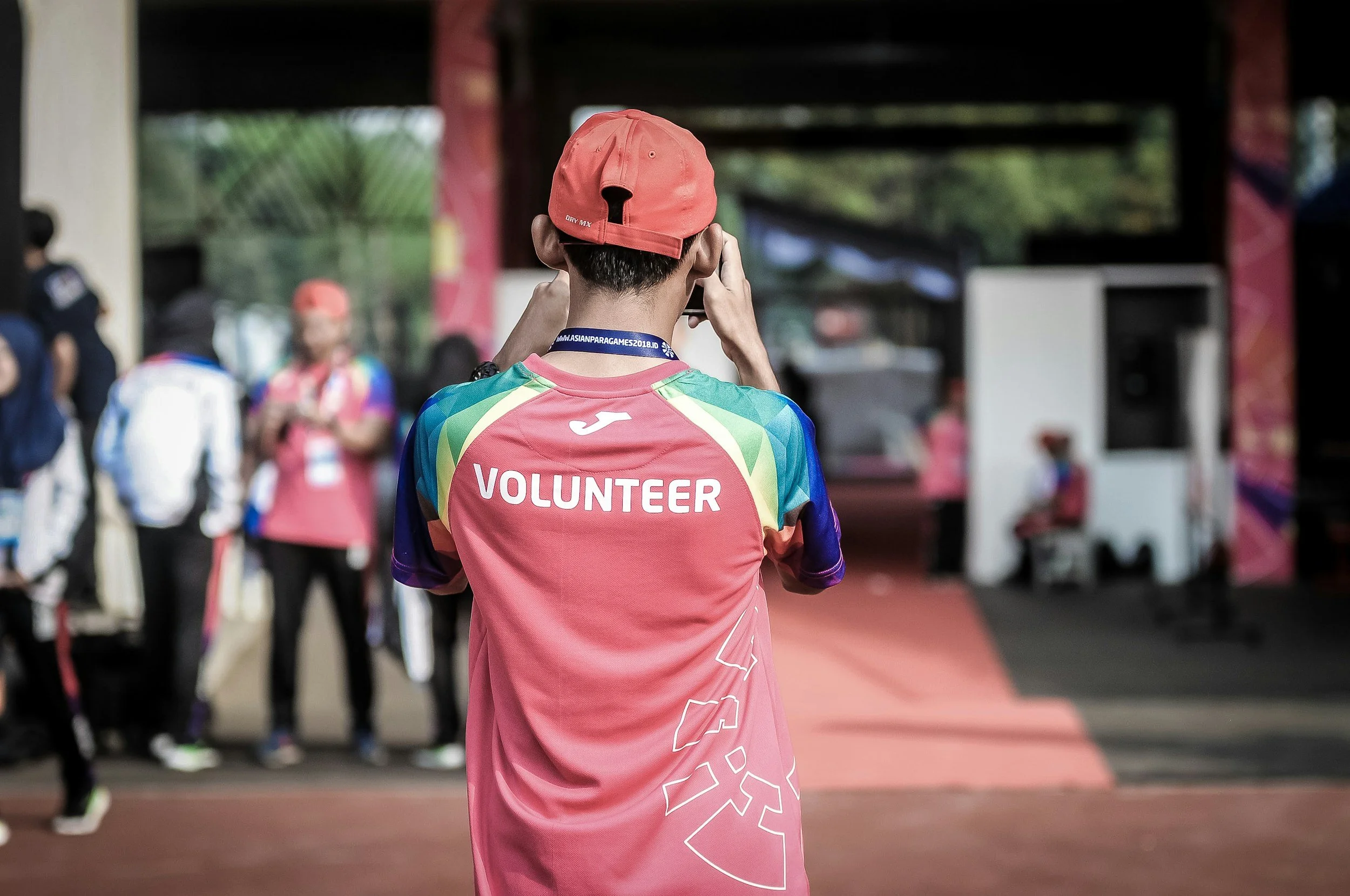
An often overlooked way of gaining on-hands on experience, getting an insider’s perspective of companies and meeting new people is……drumroll please…..strategic volunteering.
Strategic volunteering is volunteering with intention. You’re giving your time to an organization or cause you care about, but you’re also choosing opportunities that help you as you look to return to the paid workforce.
I personally did it and yep, it works!
What makes volunteering “strategic”?
The key is choosing an opportunity where you have something to gain professionally.
Maybe you want to explore an industry you’ve always been curious about. Perhaps you need more recent experience using a certain skill. Or maybe you want to meet people outside your current circle and begin rebuilding your professional network.
Strategic volunteering can help with all of those things.
I’ve volunteered with organizations ranging from Dress for Success to a financial literacy nonprofit, and those experiences gave me exposure to industries and people I likely would not have encountered through a traditional job search.
Volunteering is also awesome because many organizations are willing to train volunteers which is great if you want to learn new skills and systems.
That said, it’s not about cramming your career break with activities.
There may be seasons when caregiving, family responsibilities, or simply getting through the day takes everything you have. If that’s where you are, volunteering does not need to be another item on your to-do list.
But if your schedule allows for even a few hours a month, it just may be worth it.
Why strategic volunteering works
One of the biggest mindset shifts I encourage career returners to make is this:
Experience is experience. Impact is impact.
Whether you were paid for the work is irrelevant.
If you coordinated volunteers, organized events, facilitated workshops, managed communications, created marketing materials, or supported a program, you gained real experience doing those things.
I once worked for an organization where a paid employee retired and the role was later filled by a volunteer. The responsibilities didn’t suddenly become less valuable because a paycheck was no longer attached to them.
The work was still the work.
Volunteering can also provide clarity.
If you’re considering a new career direction, volunteering gives you a relatively low-risk way to test it out before committing to a full-time role. You may discover that you love the work. You may also realize very quickly that it isn’t for you.
Both outcomes are useful.
How volunteering helped me return to work
A few months into my own career break, I decided to volunteer with a financial literacy nonprofit.
I had no professional experience in financial literacy, but it was an area that interested me. I originally volunteered to facilitate financial literacy sessions, and during orientation I met the organization’s director.
I let her know I was on a career break and was happy to help with other projects if she needed support. I also gave her clear boundaries around my availability because, like many caregivers, I only had so much time to give.
It turned out she needed help coordinating volunteers.
Over the next few months, I supported volunteer coordination while continuing to facilitate sessions. And you bet I added that experience to my resume.
Eventually, I received a job offer elsewhere and told the director I would need to step back from volunteering as the pace I was. That conversation led to something I hadn’t expected: a job offer.
I ultimately accepted the other job, but that experience completely changed how I viewed volunteering during a career break.
It was a way to gain legitimate experience that opened professional doors.
Don’t overlook the volunteering you already do
Before you start searching for a new opportunity, take inventory of what you’re already doing.
You may already have years of valuable experience that you’ve never considered putting on your resume.
I once worked with a woman who had volunteered at her children’s special needs camp for nearly ten years. She had never thought of that experience as professionally relevant.
But when we broke down what she was actually doing, we uncovered event planning, coordination, logistics, communication, and organization.
Those are highly transferable skills.
The same may be true for your PTA involvement, nonprofit work, community groups, school activities, faith-based organizations, or other volunteer roles.
Start by asking yourself: What was I responsible for, and what skills did I use to do it?
Where to find strategic volunteering opportunities
If you want to explore something new, Idealist.org is a great place to start. You can search by location, interest, or skill area, and many organizations also offer virtual opportunities.
And the range of roles may surprise you.
Organizations need help with everything from HR and content creation to project coordination, photography, communications, fundraising, and administrative support.
You also don’t have to commit hours every week. Look for project-based, monthly, quarterly, or short-term opportunities that fit your life.
The goal isn’t to volunteer more.
It’s to volunteer intentionally.
And if you're wondering how to best position your unique, amazing and talented self in your job search book your free discovery call to set yourself up for success as you return back to the paid workforce.